
Improve Your Brain by Practicing Cursive Writing
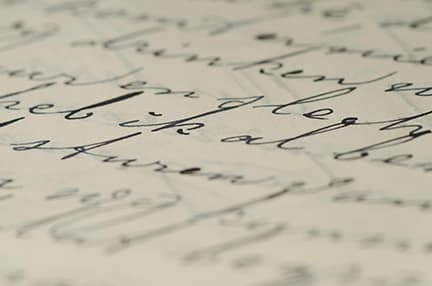
In an era dominated by keyboards and touchscreens, the significance of cursive writing might seem to have diminished. However, recent research and educational advocacies highlight a crucial reality: handwriting, particularly cursive, is not merely a relic of the past but a powerful tool for cognitive development and learning. Audrey van der Meer, a neuropsychology professor at the Norwegian University of Science and Technology (NTNU), underscores this point in a study emphasizing the profound impact of handwriting on cognitive brain function, motor skills, and memory.
Roessingh, a proponent of handwriting education, emphasizes its role in engaging the hand-brain complex and circuitry, facilitating memory retention and information retrieval. This view is supported by the findings of van der Meer’s study, shedding light on the dynamic relationship between handwriting and cognitive processes.
The essence of cursive writing lies beyond its aesthetic appeal; it serves as a conduit for activating various regions of the brain. Unlike typing, which predominantly involves finger movements and visual processing, handwriting engages multiple sensory modalities. The intricate strokes and fluid motions required in cursive stimulate the brain’s motor cortex, enhancing fine motor skills and coordination.
Moreover, the act of writing by hand fosters deeper cognitive engagement. Research suggests that the tactile feedback provided by pen and paper enhances learning and comprehension. When individuals physically trace letters and words, they forge stronger neural connections, reinforcing memory retention. This phenomenon, known as the “generation effect,” elucidates why handwritten notes are often more memorable than typed ones.
Furthermore, cursive writing offers unique benefits for language acquisition and literacy development. The continuous flow of cursive script encourages fluent reading and writing, facilitating the transition from decoding individual letters to comprehending entire words and phrases. By honing phonemic awareness and orthographic processing, cursive proficiency lays a robust foundation for literacy skills essential for academic success.
Beyond its cognitive advantages, cursive writing holds cultural and historical significance. It serves as a tangible link to our linguistic heritage, preserving centuries of human expression and communication. The ability to decipher cursive script enables individuals to connect with historical documents, handwritten manuscripts, and personal correspondence, enriching their understanding of the past.
In an age dominated by digital communication, the preservation of handwriting skills assumes heightened importance. While technological advancements offer convenience and efficiency, they risk overshadowing the nuanced benefits of handwriting. As van der Meer aptly states, the brain adheres to the principle of “use it or lose it.” Without regular practice, the neural pathways associated with handwriting may atrophy, depriving individuals of its cognitive benefits.
The integration of cursive writing into educational curricula is therefore imperative. By prioritizing handwriting instruction, educators can equip students with essential cognitive tools that transcend the classroom. Moreover, promoting handwriting reflects a commitment to holistic education, acknowledging the multifaceted nature of human cognition and expression.
However, the resurgence of cursive writing requires a concerted effort from educators, policymakers, and parents alike. Recognizing the intrinsic value of handwriting, schools must allocate sufficient time and resources to teach cursive alongside other literacy skills. Additionally, fostering a culture that values handwritten communication can instill a sense of pride and appreciation for this timeless art form.
Parents play a pivotal role in reinforcing the importance of handwriting outside the classroom. Encouraging children to practice cursive at home, whether through journaling, letter writing, or creative expression, cultivates a lifelong appreciation for handwritten communication. Embracing cursive as more than a utilitarian skill but as a gateway to cognitive enrichment fosters a deeper understanding of its enduring relevance.
In conclusion, the resurgence of cursive writing signifies a renaissance in cognitive education. As research continues to illuminate the profound impact of handwriting on brain function and learning, the case for prioritizing cursive instruction grows stronger. By embracing the art of cursive writing, we not only preserve a timeless tradition but empower future generations with the cognitive tools necessary to thrive in an ever-evolving world. Let us not overlook the transformative potential of a skill as seemingly simple as putting pen to paper in cursive script.
10 Tips to Master Your Cursive Handwriting Skills
- Practice Letter Formation: Begin by practicing individual letters. Start with lowercase letters, as they are the building blocks of cursive writing. Use instructional resources such as handwriting workbooks or online tutorials to guide your practice.
- Repetition and Consistency: Consistent practice is key to improving cursive handwriting. Set aside a specific time each day dedicated to handwriting practice. Repetition reinforces muscle memory, leading to greater fluency and precision.
- Use Handwriting Worksheets: Printable handwriting worksheets are valuable tools for structured practice. These worksheets typically provide tracing exercises and space for independent writing, allowing you to refine your cursive strokes in a controlled manner.
- Copywriting: Select passages from books, poems, or articles written in cursive and copy them by hand. This exercise not only improves handwriting but also exposes you to different writing styles and vocabulary.
- Focus on Rhythm and Flow: Cursive writing should flow smoothly, with each letter connecting seamlessly to the next. Pay attention to the rhythm of your handwriting and strive for consistent spacing between letters and words.
- Experiment with Pen Grip and Posture: Ensure you are holding the pen correctly and maintaining good posture while writing. A comfortable grip and proper posture promote fluidity and control, reducing hand fatigue and improving overall handwriting quality.
- Utilize Cursive Fonts: Explore cursive fonts available in word processing software or online platforms. Practice writing with different fonts to diversify your cursive repertoire and adapt to various styles.
- Engage in Creative Writing: Incorporate cursive writing into creative activities such as journaling, letter writing, or poetry. Expressing yourself through cursive handwriting enhances both your writing skills and creativity.
- Seek Feedback and Guidance: Share your handwritten work with peers, teachers, or online communities dedicated to handwriting improvement. Constructive feedback and guidance from others can help identify areas for improvement and provide motivation.
- Take Breaks and Relax: Avoid overexerting yourself during handwriting practice. Take breaks as needed to rest your hand and relax your muscles. Tension and fatigue can impede handwriting fluency, so prioritize comfort and relaxation.
Check out these practice cursive handwriting workbooks
The Art of Cursive Penmanship: A Personal Handwriting Program for Adults
Handwriting Practice for Adults: A Cursive Workbook for Adult Penmanship
Spencerian Cursive Copybook Set Plus Theory
Affiliate Disclosure:
Curious Mind Cafe is a participant in the Amazon Services LLC Associates Program, an affiliate advertising program designed to provide a means for sites to earn advertising fees by advertising and linking to Amazon.com. This means that we may earn a small commission from purchases made through links on our website at no additional cost to you.
