
Unlocking the Power of Mind Mapping: A Comprehensive Guide
What is Mind Mapping?
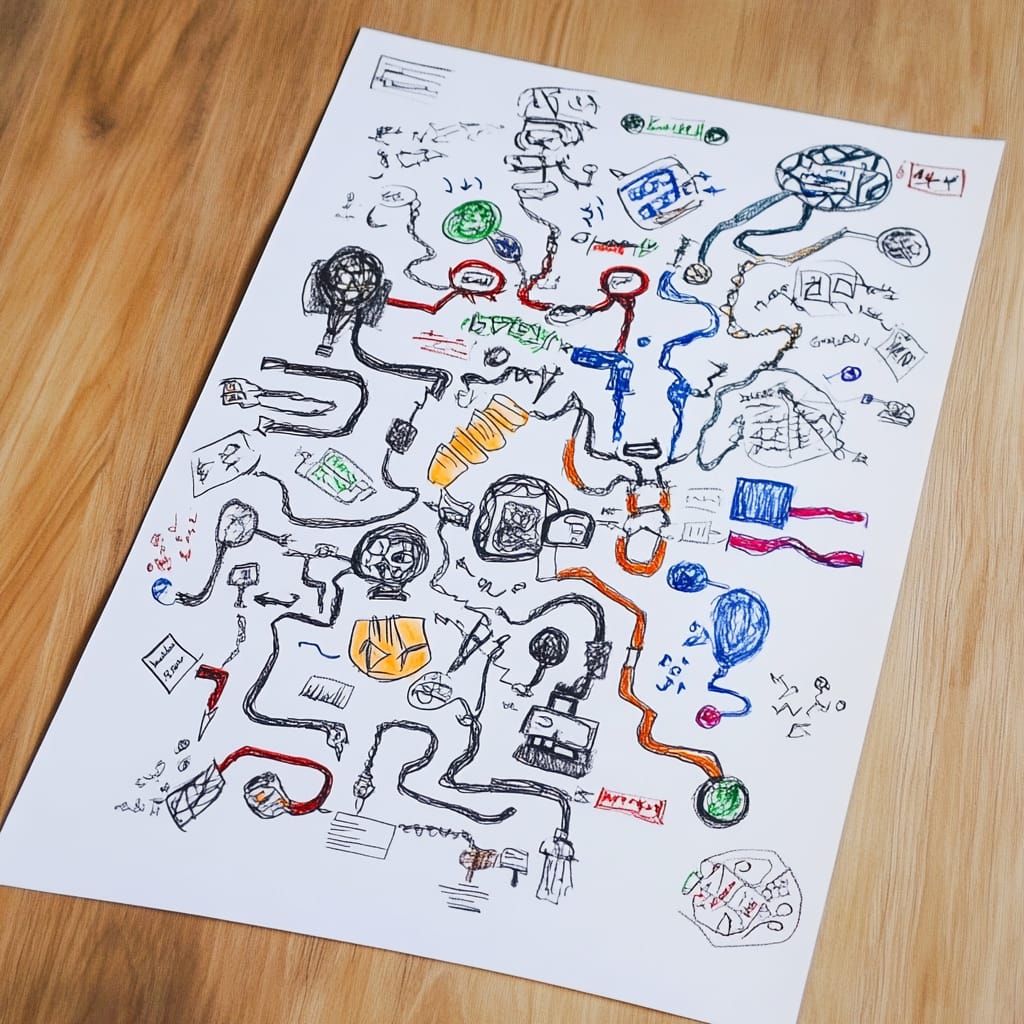
Mind mapping is a visual tool that helps you organize information. Imagine a tree with a main idea as the trunk, and related thoughts branching out like limbs. It’s a way to brainstorm, plan, and understand complex topics by breaking them down into simpler parts.
How to Create a Mind Map
- Start with a Central Idea: Write down your main topic in the center of a blank page. This is the core concept you’ll explore.
- Add Branches for Key Concepts: Draw lines outward from the center to create branches. Each branch represents a major category or idea related to the main topic.
- Expand with Sub-branches: From each key concept, draw additional lines to include more specific details or related ideas.
- Use Keywords: Write one or two words on each branch to summarize the idea. This keeps your map clear and concise.
- Incorporate Colors and Images: Use different colors to distinguish between branches and add images to make your map more engaging and memorable.
- Review and Refine: Look over your mind map and adjust as needed. Add, remove, or reorganize branches to better understand your topic.
Benefits of Mind Mapping
- Boosts Creativity: By visually exploring ideas, you can make new connections and think outside the box.
- Enhances Memory: The combination of words, colors, and images helps your brain remember information better.
- Improves Organization: It’s easier to see the structure of a topic and how different ideas are related.
- Facilitates Problem-Solving: Breaking down a problem into smaller parts can make it easier to find solutions.
How to Use Mind Mapping in Everyday Life
- Studying for Exams: Organize notes and summarize chapters to review key concepts quickly.
- Planning Projects: Outline tasks and deadlines to keep track of progress and stay on schedule.
- Brainstorming Ideas: Jot down creative ideas for essays, stories, or business plans.
- Decision Making: Compare pros and cons of different choices to make informed decisions.
Frequently Asked Questions (FAQ) about Mind Mapping
Q: What tools do I need to create a mind map? A: You can use a pen and paper or digital tools like MindMeister, XMind, or simple software like Microsoft Word or Google Docs.
Q: How do I choose the central idea? A: Think about the main topic or question you want to explore. It should be broad enough to allow for multiple subtopics but specific enough to keep you focused.
Q: Can mind mapping be used for group projects? A: Yes! It’s a great way to collaborate. Each team member can contribute ideas, and you can easily see how they all fit together.
Q: What if my mind map gets too cluttered? A: Keep it simple by using keywords and short phrases. If you need more detail, create separate maps for each subtopic.
Q: How often should I update my mind map? A: Regularly. As you learn more or your project progresses, update your map to reflect new information and insights.
Q: Are there different styles of mind maps? A: Yes, some people prefer radial maps, while others use tree structures or spider diagrams. Choose the style that works best for you.
Conclusion
Mind mapping is a versatile and powerful tool that can help you organize your thoughts, boost creativity, and enhance learning. Whether you’re a student, professional, or simply looking to get your ideas in order, mind mapping can make a big difference. Give it a try and see how it transforms the way you think and work!
